A rat in the attic is one of the most urgent home problems a La Habra homeowner can face—and it rarely resolves on its own. Clean Zone Attic Insulation is an insulation and rodent-proofing company serving La Habra, CA and surrounding communities, and we offer 24/7 emergency rodent service to stop active infestations before they cause serious structural or health damage. If you are hearing noises right now, call us at (562) 526-0372—our emergency line is answered around the clock.
- ✔ 24/7 emergency response
- ✔ Free inspections and written estimates
- ✔ Insurance claim assistance available
- ✔ Financing available
How do I get rid of rats in my attic?
Getting rid of rats in your attic requires three sequential steps: removing the rats that are already inside, sealing every entry point so no new rats can get in, and safely cleaning and restoring the contaminated attic space. Skipping any one of these steps means the problem returns. In Southern California, the dominant species is the roof rat (Rattus rattus)—a strong climber that travels along utility lines, fences and tree branches to reach rooflines. Roof rats can compress their bodies and squeeze through any gap slightly larger than half an inch, which is about the diameter of a dime. Because La Habra's mild Mediterranean climate means rats are active year-round rather than dying off in winter, a waiting approach is not effective. The practical decision rule is straightforward: if you hear movement or find evidence, begin trapping and inspection on the same day—every day of delay increases the population and the contamination inside your insulation.
Signs of rats in the attic: scratching, droppings and chewed insulation
The most reliable early sign of rats in the attic is nighttime movement noise—a rapid, light-footed scurrying across the ceiling above you. Use this checklist to confirm the infestation before calling us:
- Scratching, gnawing or scurrying sounds, most active after dark
- Dark, capsule-shaped droppings (roughly ½ inch long) along beams, pipes or in insulation
- Grease rub marks—dark smear lines where rats repeatedly brush against beams or pipes
- Shredded or tunneled insulation used as nesting material
- Chewed electrical wiring, PVC pipes or wood framing
- A persistent ammonia-like odor from urine soaked into insulation
- Tree branches, palm fronds or utility lines touching or crossing your roofline
- Visible entry gaps at eaves, soffits, fascia boards or roof vents
Read moreShow less
La Habra's older housing stock—many homes built in the 1950s through 1970s—tends to have aging fascia boards and deteriorated vent screens that provide easy access. Finding even one or two of these signs is enough to warrant a professional inspection, because by the time noises become obvious, a colony is usually already established.
Free, no-obligation estimates
Talk to Clean Zone Attic Insulation
Tell us what you need and we’ll take it from there.
What is that scratching noise in my ceiling at night?
A scratching sound in your ceiling at night is most commonly caused by roof rats moving along their established travel paths in the attic above you. Rats are nocturnal; their peak activity window is roughly the first two hours after sunset and the hour before sunrise. The sound tends to be rapid and light, often moving in a straight line from one side of the ceiling to the other, following a wall cavity or beam edge. Gnawing sounds—slower and more rhythmic—indicate a rat chewing on wiring insulation, wood or a food container stored in the attic. A single scratching episode is worth investigating immediately rather than dismissing, because rats reproduce quickly and what starts as one or two animals can become a larger colony within weeks. The next section explains how common this situation actually is in this area.
How common is it to have rats in your attic?
Roof rat infestations in attics are extremely common throughout Southern California, including La Habra and the surrounding San Gabriel Valley and North Orange County communities we serve. The region's warm climate, dense mature tree canopy, and mix of residential and commercial landscaping provide roof rats with reliable food, water and harborage year-round. Citrus trees—common in La Habra yards—are a well-documented attractant; fallen or overripe fruit on the ground feeds rats at ground level before they migrate upward into structures. Homes adjacent to La Habra Heights, which has significant natural hillside vegetation, face additional pressure from wildlife corridors that bring rodents toward residential rooflines. If your neighbor has had rats, your home is a likely next target, because roof rats colonize a neighborhood block by block along fence lines and utility infrastructure.
What time of year is worst for rats?
In La Habra, rats are active every month of the year, but attic infestations typically increase during late fall and early winter when outdoor temperatures drop at night and rats seek warmer nesting sites inside structures. A secondary surge can occur in late summer when heat outside makes cooler attic spaces attractive. Unlike regions with hard winters, La Habra's climate does not create a natural population die-off in cold months. This means there is no "safe" season to defer rodent-proofing. Homeowners who seal entry points in September, before the fall pressure peak, tend to have better outcomes than those who wait until they already hear noises. The question is not whether rats will try to enter—it is whether your home gives them an opening when they do.
Do rats leave the attic at night?
Yes—roof rats leave the attic nightly to forage for food and water, typically traveling the same routes along fences, trees and utility lines. They usually return before dawn. This nightly exit-and-return behavior is important for two practical reasons: first, it means snap traps placed along travel paths inside the attic can be effective because rats are actively moving; second, it confirms that an exclusion door or one-way device installed over the primary entry point can allow rats to exit without being able to re-enter. However, exclusion alone—without trapping rats already inside and sealing all secondary gaps—will not eliminate an established infestation, because rats will find or create alternate entry points when their primary route is blocked. What happens if you skip that full process is explained next.
What happens if you leave rats in the attic?
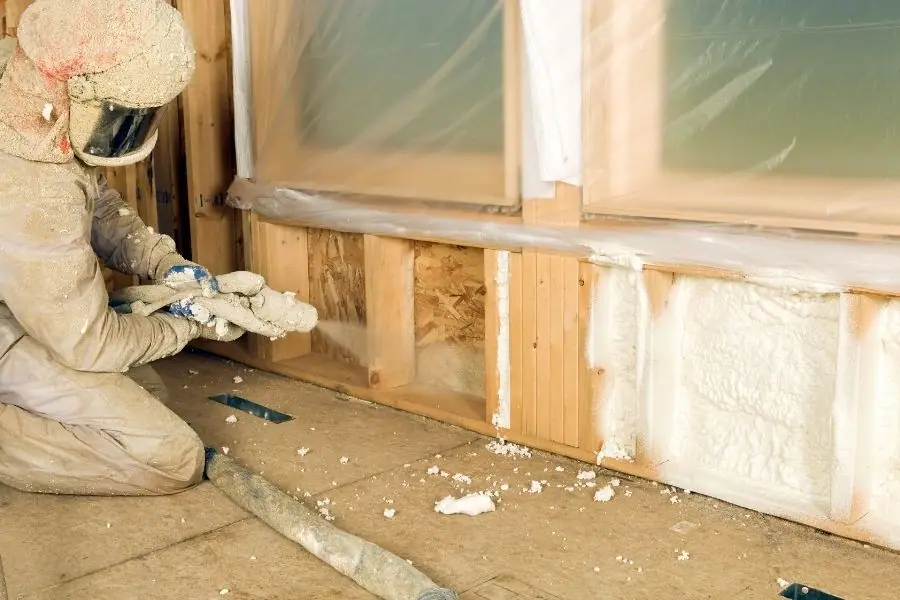
Leaving rats in the attic unchecked causes compounding damage across four categories: structural, electrical, sanitary and health. Rats gnaw continuously because their incisors grow without stopping—they chew electrical wiring insulation, creating a documented fire risk; they chew PVC plumbing and HVAC duct connections, causing leaks and energy loss; and they burrow through batt or blown-in insulation, reducing its thermal performance and driving up your utility bills. On the sanitary side, rat urine and droppings accumulate in insulation over time, creating odor problems and contaminating the air that moves through your home. The health concern is real: rat droppings can carry pathogens including Salmonella and Hantavirus, and disturbing contaminated insulation without proper respiratory protection can aerosolize particles. Attic insulation damaged by rodents typically cannot be restored by cleaning alone, so replacing rat-damaged attic insulation through full removal and replacement is usually required after a significant infestation.
What gets rid of rats quickly? Trapping, exclusion and why poison is risky
The most effective and fastest approach to eliminating rats in your attic combines snap trapping with simultaneous exclusion work. Snap traps placed directly on rat travel paths—identified by grease marks and droppings—produce results within the first night or two. Live traps are a humane alternative and we offer both options. Poison bait (rodenticide) may seem like a faster solution, but it carries a serious problem in attic environments: a rat that ingests bait typically dies inside the wall cavity or deep in the insulation, where it cannot be retrieved. The decomposition odor can persist for weeks and may require opening walls or ceilings to locate the carcass. For this reason, we do not recommend rodenticide as a primary control method in enclosed attic spaces. The complete elimination process follows a clear sequence:
Read moreShow less
- Thorough attic inspection to map travel paths, nesting sites and all entry points
- Placement of snap or live traps along confirmed travel routes
- Daily or every-other-day trap checks until captures stop
- Confirmation that no live animals remain before sealing begins
- Sealing all entry points with permanent materials (see next section)
- Attic cleanup, decontamination and insulation repair or replacement
How we seal entry points and rodent-proof your home
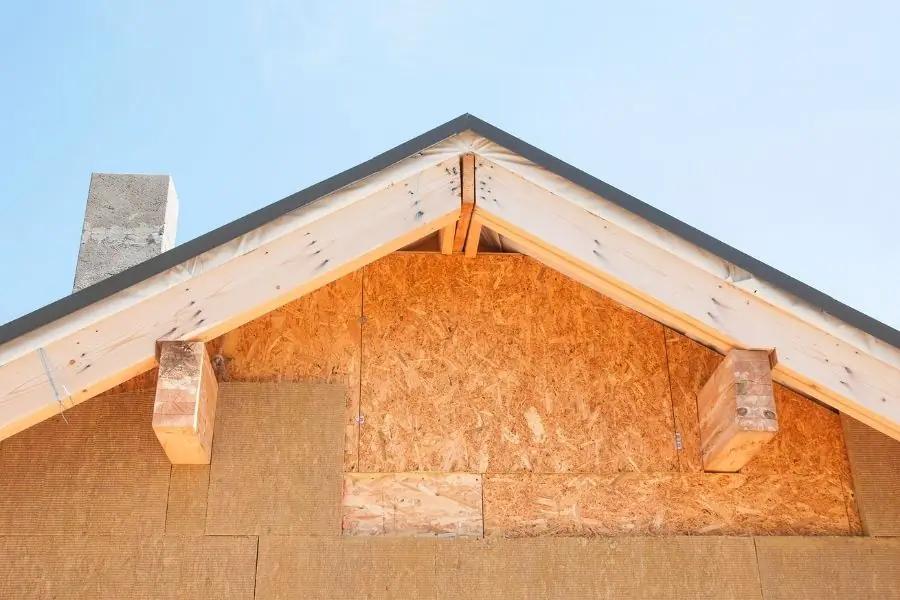
Sealing entry points is the step that determines whether the problem comes back, and air sealing to close entry gaps is how those openings get closed for good. Expanding foam alone is not adequate—roof rats chew through it readily. We seal gaps using galvanized steel hardware cloth, copper mesh or formed sheet metal, depending on the size and location of the opening. Here is a checklist of the entry points we inspect and seal on every La Habra job:
- Roof vents and ridge vents (screened with fine-gauge galvanized mesh that remains breathable)
- Soffits and fascia board gaps, especially where wood has warped or rotted
- Eave gaps where the roofline meets the wall framing
- Gable vents on the ends of the attic
- Gaps around plumbing pipes, electrical conduit and cable lines where they penetrate the roofline or exterior wall
- Chimney flashings and roof penetrations
- HVAC and dryer vent terminations
- Gaps at the junction of additions or dormers with the main roofline
Read moreShow less
One step competitors frequently skip: after sealing, we walk the perimeter and trim or flag any tree branches or vines that overhang or touch the roofline. Rats travel these routes to reach the structure. Removing that access reduces re-infestation pressure significantly even after all gaps are sealed. We also advise clearing fallen fruit, birdseed and compost that attract rats at ground level—eliminating food sources near the foundation is part of a complete rodent control plan.
Attic cleanup and insulation repair after rats
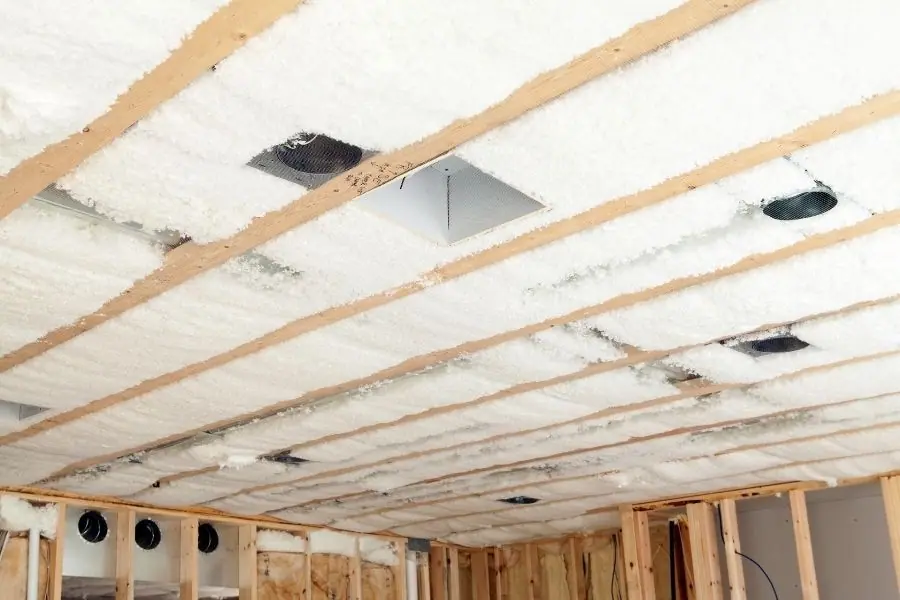
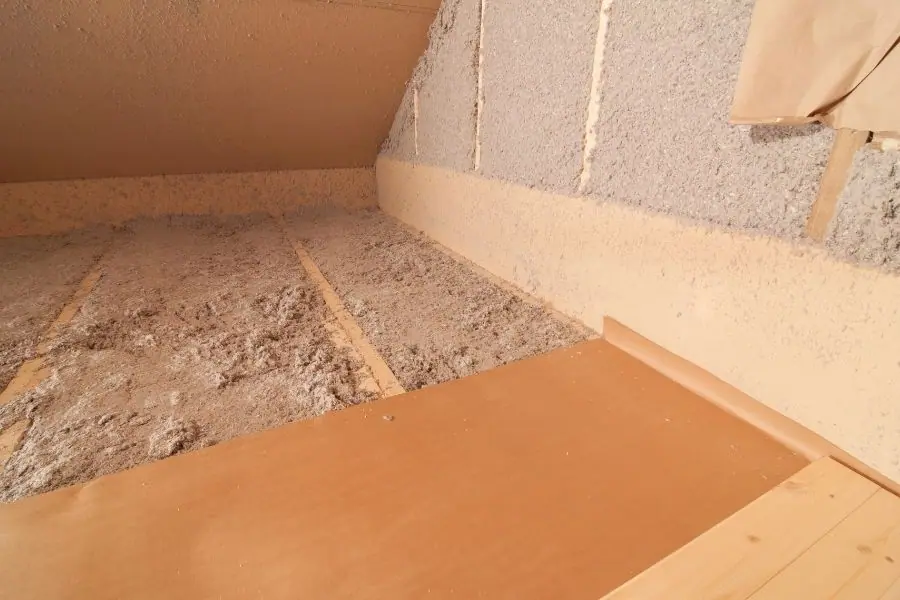
Attic cleanup after a rat infestation is a necessary health and performance step, not an optional add-on. Contaminated insulation holds urine, droppings, nesting debris and pathogens. Our cleanup process includes removing and bagging all contaminated insulation, applying an EPA-registered disinfectant to all surfaces, allowing proper dwell time, and then installing fresh insulation to restore the thermal barrier. We offer blown-in insulation, batt insulation and other insulation types suited to your attic's configuration, and the full range is listed under all insulation and attic services. Restoring proper insulation depth after rat damage typically improves energy efficiency measurably, because rodent tunneling and nesting compress and displace insulation, lowering its effective R-value. If your attic insulation has not been replaced after a past infestation, it may be performing well below the R-38 or R-49 levels recommended for homes in this climate zone.
24/7 emergency rat and rodent service in La Habra
La Habra homeowners can reach our emergency line at (562) 526-0372 at any hour—we provide 24/7 emergency rodent service because an active infestation does not wait for business hours. If you are hearing noises tonight, smelling a persistent odor, or have found evidence of rats in your attic, call now to schedule an emergency inspection. We serve La Habra and all surrounding communities including Brea, Fullerton, La Habra Heights, Whittier, La Mirada, Yorba Linda, Placentia, Buena Park, Anaheim, West Covina, Rowland Heights, Hacienda Heights, La Puente, Norwalk, Downey, Cerritos, Santa Fe Springs and Garden Grove.
At a glance
How much does rat removal and rodent proofing cost in La Habra, CA?
The total cost of rat removal and rodent proofing varies based on the specific conditions of your home. After a free on-site inspection, we provide a written quote with no obligation. The factors that drive price are:
| Cost Factor | Why It Affects Price |
|---|---|
| Attic size (square footage) | Larger attics require more traps, more sealing material and more cleanup labor |
| Number and difficulty of entry points | Hard-to-reach gaps (high pitch, complex roofline) take more time and specialized materials |
| Roof pitch and access | Steep or high rooflines require additional safety equipment and labor |
| Extent of insulation contamination | Full tear-out and replacement costs more than targeted spot repairs |
| Severity and duration of infestation | Long-standing infestations produce more droppings, structural chewing and nesting debris |
| Wiring or duct damage requiring coordination | Chewed wiring or disconnected ducts may require additional specialist work |
| Materials selected for sealing | Galvanized hardware cloth, copper mesh and sheet metal differ in material cost by application |
Financing is available for qualifying projects. We also assist homeowners with insurance claims—see the callout below.
Insurance Claim Assistance: Some homeowners insurance policies cover rodent damage to attic insulation and structural components. We work with homeowners to document the damage thoroughly so you can submit a complete and accurate claim. Contact us to learn how this process works for your specific policy.
Choosing a rodent-proofing company
When evaluating rodent-proofing companies in La Habra, ask four specific questions: Do they perform the exclusion work themselves or subcontract it? Do they guarantee the entry-point sealing with a written scope? Do they handle insulation removal and replacement in-house, or will you need a separate contractor? And do they offer 24/7 emergency availability? A company that only sets traps without sealing entry points will leave you scheduling repeat visits indefinitely. Clean Zone Attic Insulation handles the full scope—trapping, exclusion, cleanup and insulation restoration—as one integrated service, so you are not coordinating between multiple contractors after a stressful infestation event.
FAQ
FAQ
Will rats leave the attic on their own?
No. Rats establish nesting territories and do not voluntarily abandon a site that provides shelter and nearby food. Without active trapping and exclusion, a rat colony in an attic will grow, not shrink. In La Habra's mild climate there is no seasonal cold event that forces rats to leave structures, which makes waiting particularly ineffective here.
Can rats chew through spray foam?
Yes. Expanding spray foam is not a rodent-proof barrier material on its own. Roof rats chew through cured foam with little difficulty. Any gap sealed with foam alone should be backed with galvanized steel hardware cloth, copper mesh or sheet metal to prevent re-entry. Foam can serve as a filler or backer, but the outer surface of the seal must be a material rats cannot bite through.
What sounds do rats make in an attic versus squirrels or mice?
Rats produce a rapid, medium-weight scurrying sound and audible gnawing. Squirrels are heavier—their movement sounds more like footsteps, and they are primarily active during the day, particularly in early morning. Mice produce very light, quick rustling sounds, usually quieter than rats, and are more likely to be heard inside wall cavities rather than across a broad attic ceiling. If you hear sustained nighttime movement above a wide area of ceiling, roof rats are the most likely cause in La Habra.
Is rat droppings cleanup in the attic dangerous?
Yes, without proper precautions. Dried rat droppings and urine-soaked insulation can release airborne particles when disturbed. Those particles may carry pathogens. Safe cleanup requires an N95 or higher respirator, disposable gloves, and eye protection at a minimum. For significant infestations, full personal protective equipment and professional-grade disinfectant application are appropriate. We do not recommend that homeowners attempt attic cleanup of heavily contaminated areas without professional assistance.
Does homeowners insurance cover rodent damage to attic insulation?
Coverage varies by policy. Many standard homeowners policies exclude gradual damage from pests, but some policies cover sudden damage to structural components or systems caused by rodents. Chewed wiring that causes a fire may be covered under a different provision than insulation contamination. We help La Habra homeowners document damage thoroughly so they can present a complete claim to their insurance carrier and receive an accurate assessment of what their specific policy covers.
Do you offer humane rodent removal options?
Yes. We offer live-trap options for homeowners who prefer to avoid lethal methods. Live trapping requires more frequent monitoring—traps must be checked at least once daily to avoid harm to the captured animal—and must be paired with thorough exclusion work to prevent re-entry. We will discuss both snap-trap and live-trap approaches during your free inspection so you can choose the method that fits your situation.
If you are dealing with a rat in the attic, scratching noises at night, or any sign of rodents in your home, do not wait. Call Clean Zone Attic Insulation at (562) 526-0372 to schedule your free inspection in La Habra, CA. Our 24/7 emergency line is always open, and as a La Habra insulation contractor, our trained technicians handle everything from initial trapping through exclusion and full attic restoration.
Why choose us
Why choose Clean Zone Attic Insulation?
Free estimates
Get a clear, no-obligation estimate before any work begins.
Licensed & insured
Your property and our crew are protected on every project.
Residential & commercial
One team for homes, multi-family and commercial properties.
Locally owned & operated
A local team serving your community and the surrounding area.
Get in touch
Find insulation help near you
Request a free estimate online or give us a call — our team will follow up quickly.
- Call us(562) 526-0372
- Visit731 N Beach Blvd, La Habra, CA 90631
- HoursMon-Sun 07:00-19:00